Your Pregnancy Village: How Weva Transforms Pregnancy Care Through Connected Support Teams
It Takes a Village to Raise a Baby — It Should Take a Village to Support a Pregnancy
"My obstetrician prescribed new medication for my morning sickness, but my GP didn't know about it when I saw her for a routine check-up two days later. Meanwhile, my husband was at work during both appointments and had no idea I was struggling so much. My mum kept asking how she could help, but I was too exhausted to coordinate everyone's involvement."
This is the reality for countless Australian women navigating pregnancy care—managing not just their changing bodies and emotions, but also acting as the sole communication hub between multiple healthcare providers, worried partners, and well-meaning family members. Pregnancy should be supported by a connected village, not coordinated by you alone. Weva transforms pregnancy care by creating a unified support network where information flows freely, care is coordinated seamlessly, and your entire team works together to support your journey to motherhood.
The Hidden Challenge of Pregnancy Care Coordination
You Become the Messenger
During pregnancy, you typically interact with an obstetrician, GP, midwife, and various specialists, yet these professionals often work in isolation from each other. You find yourself repeating the same information at every appointment, hoping nothing important gets lost in translation. Your GP prescribes medication for morning sickness but your obstetrician doesn't see this until weeks later. Your mental health concerns get noted by one provider but never communicated to your birth team. Test results from specialists take weeks to reach your primary care providers, delaying important decisions about your care.
Partner and Family Disconnect
Meanwhile, your support network wants to help but struggles to know how. Your partner attends some appointments but misses others due to work commitments, leaving them feeling disconnected from your pregnancy journey. Family members offer support but don't understand your current needs because they only get updates when you have energy to share them. When complications arise or decisions need to be made quickly, your support network feels unprepared because they haven't been part of the ongoing conversation about your care.
The Mental Load of Coordination
Beyond managing your own physical and emotional changes, you carry the mental load of coordinating everyone else's involvement in your pregnancy. You remember which family member needs which update, track which provider has which information, and manage everyone's expectations about involvement levels. This coordination exhaustion often leaves women feeling isolated during what should be a supported and celebrated time.
Integrated Medical Care That Actually Communicates
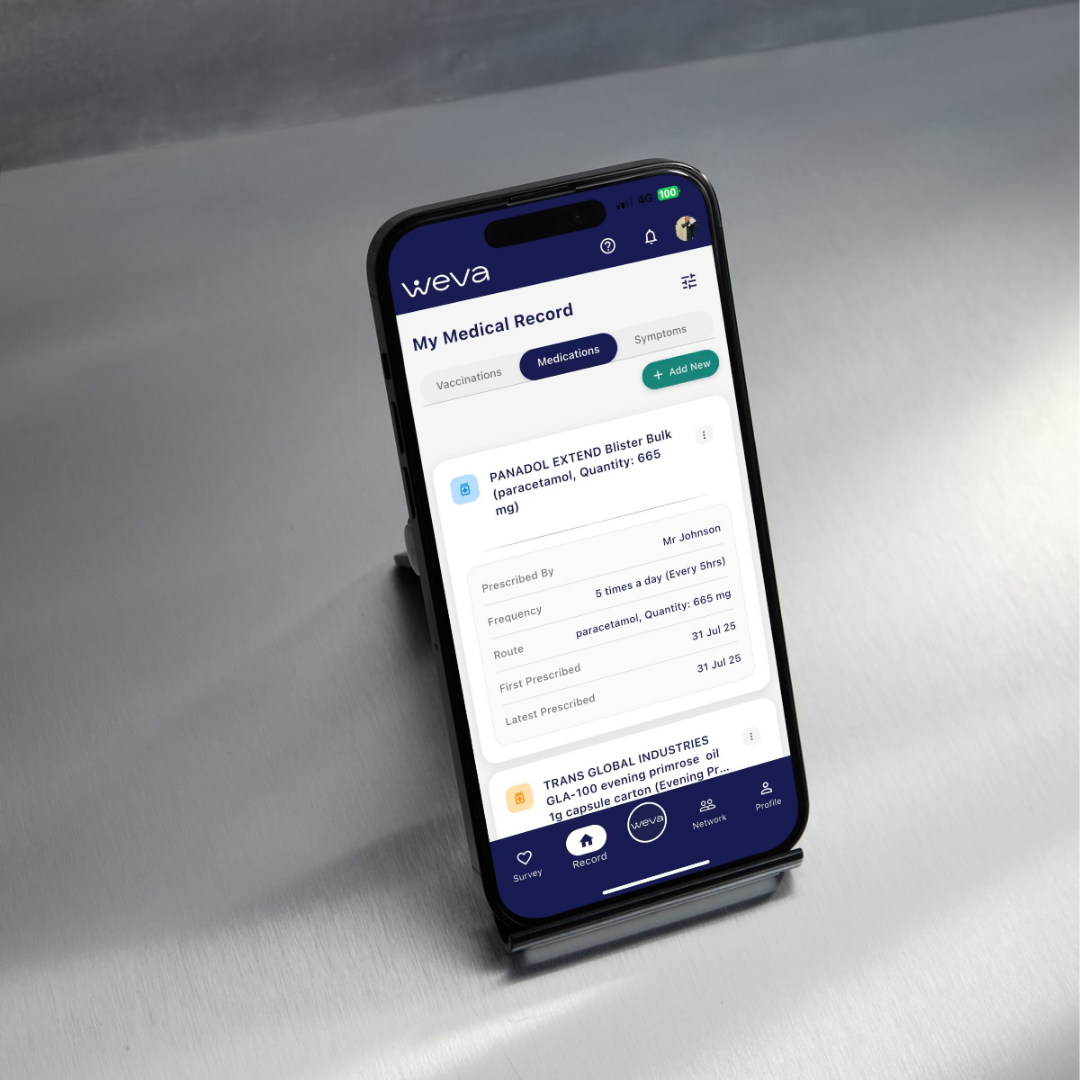
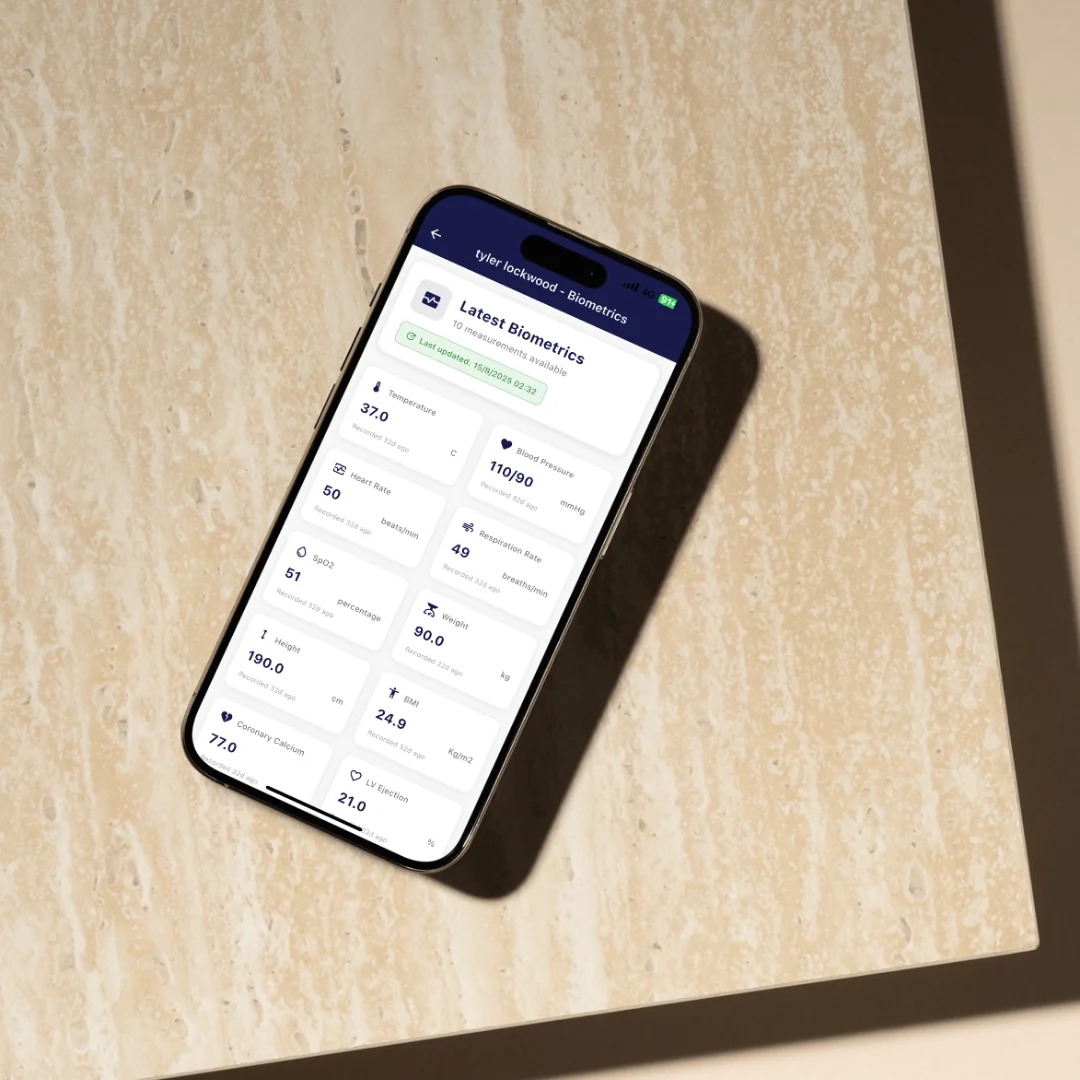
Weva connects your entire pregnancy care team through real-time updates, eliminating gaps and reducing the risks of fragmented care. With a shared pregnancy timeline, every provider stays aligned on symptoms, medications, and test results, ensuring consistent advice and better decisions. Specialists also gain immediate context, so you never have to repeat your history or worry about missed details.
Real-Time Provider Coordination
When your GP prescribes morning sickness medication, your obstetrician sees this update immediately. When your obstetrician orders additional testing, your midwife understands the context. When specialists make recommendations, your entire care team can see how this fits into your overall pregnancy care plan. This integration eliminates the dangerous gaps that occur when providers work in isolation, ensuring your care is coordinated rather than fragmented.
Shared Pregnancy Timeline
Your entire medical team works from the same pregnancy timeline, seeing your symptoms, medications, test results, and care plans in real-time. This shared understanding enables better decision-making and reduces the risk of contradictory advice or missed important changes in your condition.
Specialist Integration
When you need specialist care—whether for high-risk pregnancy management, mental health support, or specific medical conditions—these providers immediately understand your complete pregnancy context. They can see your symptoms, current medications, and care preferences without requiring you to repeat your entire medical history.
Weva keeps partners actively involved in pregnancy care with timely updates, shared milestones, and access to essential information. Even if they can’t attend every appointment, they stay informed and prepared to provide meaningful support. In emergencies, having complete pregnancy details at hand ensures they can advocate confidently and effectively for you and your baby.
Informed Participation in Your Care
Your partner receives appropriate updates about appointments, test results, and care plan changes, enabling them to provide informed support even when they can't attend every appointment. They understand your current symptoms, medication changes, and upcoming care needs. When they do attend appointments, they arrive prepared with relevant questions and understanding of your recent care rather than feeling like an outsider trying to catch up.
Shared Preparation for Parenthood
Both partners can track pregnancy milestones, preparation tasks, and important appointments. Your support person understands not just the medical aspects of your pregnancy, but also your emotional needs and preferences as they develop throughout your journey.
Emergency Preparedness
In emergency situations, your partner has immediate access to your complete pregnancy information—current medications, recent symptoms, birth preferences, and medical history—enabling them to advocate effectively for your care when you may not be able to communicate clearly.
Weva makes family involvement easier by sharing the right level of information with each person, based on your preferences. Loved ones can understand how best to support you—whether with practical help, emotional encouragement, or celebrating milestones—without relying on you to coordinate everything. This shared visibility allows your support network to work together, easing your load and ensuring your needs are met.
Appropriate Information Sharing
Family members receive updates that match their involvement level and your comfort with sharing. Your mother might receive general updates about appointments and milestones, whilst your sister who's your designated birth support person has access to more detailed care information. This controlled sharing ensures family members feel included and can provide appropriate support without overwhelming you with questions or feeling shut out from your pregnancy journey.
Understanding How to Help
Instead of family members guessing what support you need, Weva enables them to understand your current challenges and preferences. They can see when you're struggling with symptoms and need practical help, when you're feeling overwhelmed and need emotional support, or when you're excited about milestones and want to celebrate.
Coordinated Family Support
Your support network can coordinate their involvement without everything going through you. Your mother-in-law can see that your sister is already bringing meals on Tuesday, so she offers to help with house cleaning instead. This coordination reduces the burden on you whilst ensuring your needs are actually met.
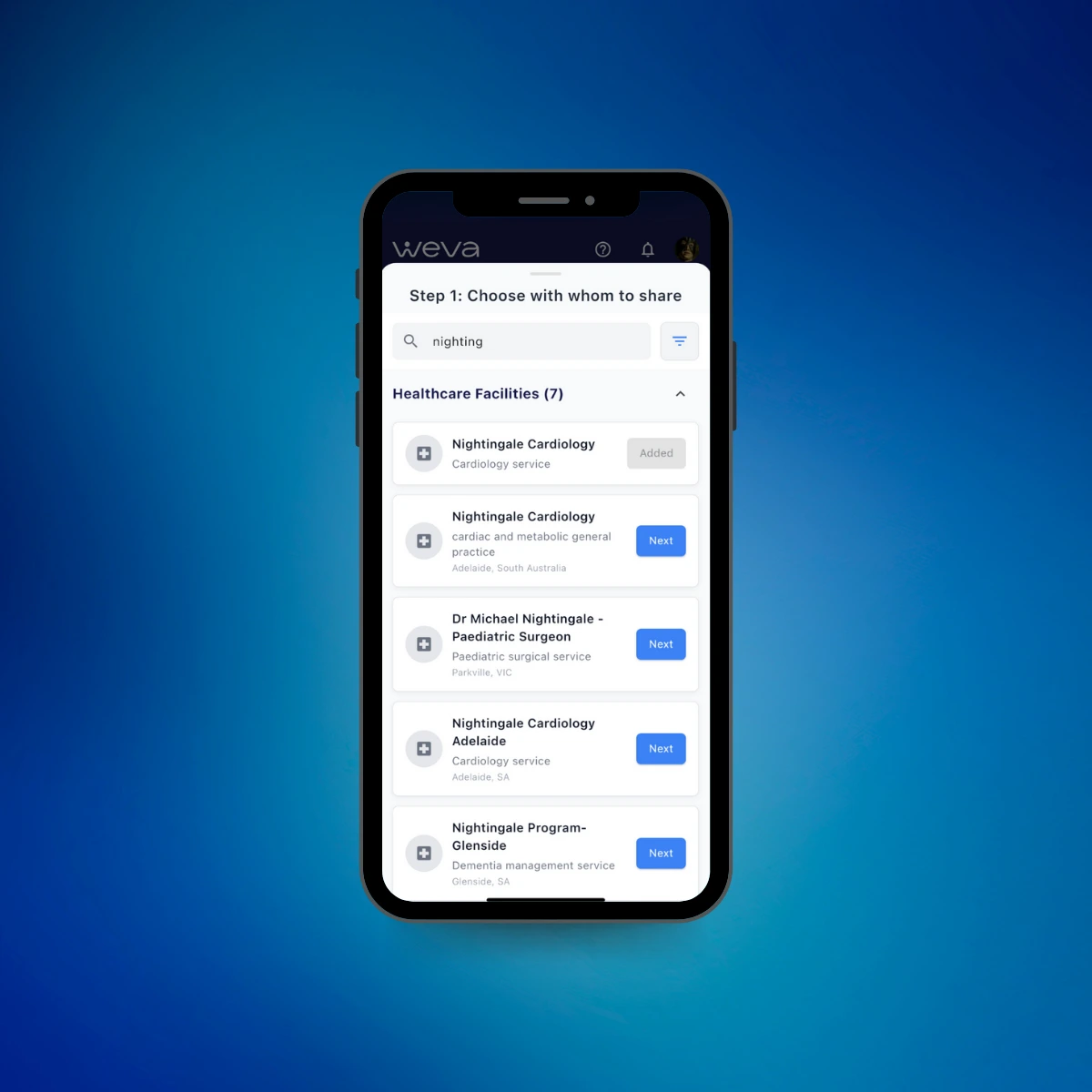
Weva connects your entire care team—obstetricians, GPs, midwives, specialists, and wellness providers—so every professional has the full context to support your pregnancy journey. Mental health, fitness, and postnatal specialists are integrated too, ensuring care is holistic and seamless. Your personal support network also stays aligned, with the right level of updates for partners, family, and birth support teams, so everyone works together to meet your needs.
Core Medical Professionals
Your Obstetrician as Team Leader
Your obstetrician serves as the central coordinator of your medical care, but through Weva, they're supported by real-time information from your entire care team. They can see how your morning sickness is responding to your GP's treatment, understand your mental health support needs, and coordinate specialist referrals with complete context.
Your GP as Ongoing Health Partner
Your GP maintains involvement in your pregnancy care whilst understanding their role within your broader team. They can see specialist recommendations, understand your current symptoms and treatments, and provide appropriate ongoing care that complements rather than conflicts with your obstetric care.
Midwife as Birth and Support Advocate
Your midwife understands your complete pregnancy journey, medical history, and birth preferences. They can advocate effectively for your care preferences because they have full context about your pregnancy experience and care team decisions.
Pregnancy often involves complex emotional and mental health needs that benefit from professional support. When mental health providers are part of your connected care team, they understand the medical context of your pregnancy whilst your medical providers understand your mental health needs. This integration ensures mental health care isn't treated as separate from pregnancy care, but rather as an essential component of your overall wellbeing.
Prenatal Fitness and Wellness Providers
Your prenatal yoga instructor, physiotherapist, or personal trainer can adjust their support based on your current symptoms, medical recommendations, and energy levels. They understand which exercises are appropriate based on your recent appointments and any medical concerns.
Lactation Consultants and Postnatal Specialists
Before your baby arrives, postnatal care providers can begin understanding your pregnancy journey, birth preferences, and anticipated challenges. This preparation enables more effective support immediately after birth when you're too exhausted to provide detailed background information.
Whether this is your partner, sister, best friend, or mother, your primary support person has access to the information they need to provide meaningful practical and emotional support throughout your pregnancy journey. They can see when you have challenging appointments coming up and need extra emotional support, when you're struggling with symptoms and need practical help, or when you're celebrating milestones and want to share excitement.
Extended Family Circle
Parents, siblings, and close friends receive updates that match their involvement level and your comfort with sharing. They understand how to support you appropriately rather than guessing or overwhelming you with questions.
Birth Support Team
Doulas, childbirth educators, and other birth support professionals become part of your team early in pregnancy, understanding your journey, preferences, and care team decisions that inform your birth experience.
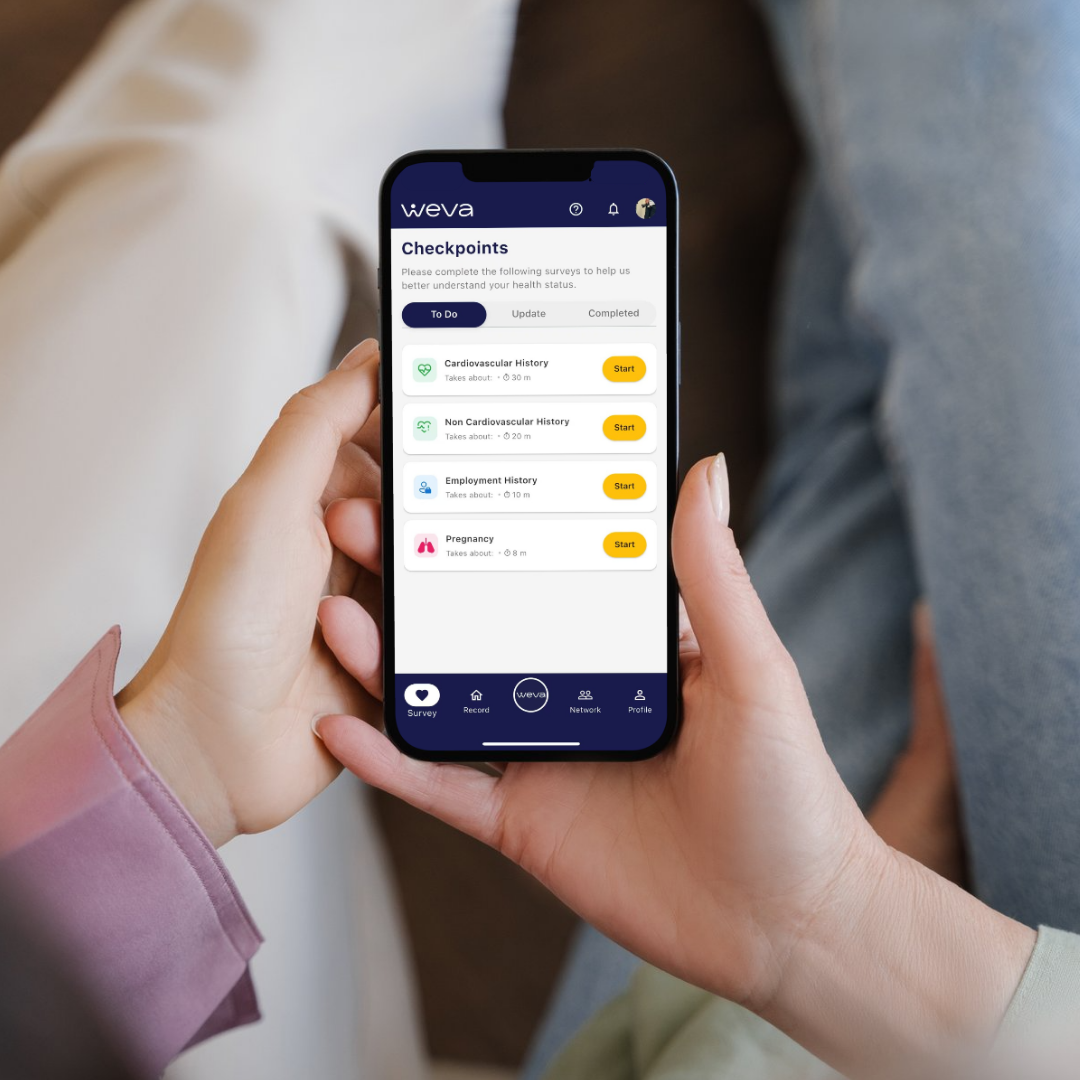
Weva supports every stage of pregnancy by connecting your care team and support network through shared information and real-time updates. In the first trimester, it helps establish your team and track early symptoms, while the second trimester brings integrated specialist care, family education, and collaborative birth planning. By the third trimester, your entire team is prepared for emergencies, postpartum care, and the family’s transition into parenthood.
First Trimester: Establishing Your Village
Early Team Assembly
The first trimester involves establishing your care team and beginning to share information appropriately. Your obstetrician, GP, and key support people gain access to your Weva pregnancy record, beginning the foundation of coordinated care.
Shared Symptom Tracking
Morning sickness, fatigue, and emotional changes get tracked and shared with relevant team members. Your GP understands your obstetrician's advice about managing symptoms, your partner understands your current challenges, and family members know how to provide appropriate support.
Coordinated Early Testing
Blood tests, ultrasounds, and early screening results are shared across your care team, ensuring everyone works from the same information and reducing the anxiety of waiting for results or wondering if all providers have critical information.
When specialist referrals become necessary, these providers immediately understand your pregnancy context, reducing appointment time spent on background information and enabling more focused, effective care.
Family Preparation and Education
Your support network receives appropriate education about pregnancy progression, warning signs to watch for, and how to provide effective support during different stages of pregnancy.
Birth Planning Collaboration
Your entire care team contributes to birth planning discussions, with your preferences and medical needs clearly communicated across all providers. Your midwife understands your obstetrician's medical concerns, your doula understands your care team's recommendations, and your support person understands your evolving preferences.
Your complete care team understands your birth preferences, emergency contacts, medical history, and any special considerations that might affect birth decisions. This preparation means emergency situations involve a prepared team rather than confused individuals trying to piece together information.
Postpartum Care Preparation
Your postnatal care providers understand your pregnancy journey, birth experience, and established support network, enabling more effective immediate postpartum support.
Family Transition Support
Your support network understands their roles in supporting your transition to parenthood, with clear communication about practical needs, emotional support requirements, and boundaries for the early postpartum period.
Weva transforms pregnancy care into a truly connected experience by ensuring providers, partners, and family all work from the same information. This coordination eliminates repetitive updates, supports proactive decision-making, and prepares your support network for emergencies and parenthood alike. With reduced stress, informed involvement, and shared milestones, you can focus on your wellbeing while feeling genuinely supported every step of the way.
Medical Care That Actually Coordinates
No More Repeat Information
Every provider understands your current symptoms, medications, test results, and care preferences without requiring you to repeat information at every appointment. This efficiency means appointment time focuses on care decisions rather than information gathering.
Proactive Rather Than Reactive Care
When your care team shares real-time information, they can identify potential concerns early and address them proactively. Your mental health provider sees that you're struggling with physical symptoms and adjusts support accordingly. Your obstetrician understands your GP's concerns about symptoms and can address them promptly.
Coordinated Decision Making
When decisions need to be made about your care—medication changes, specialist referrals, birth planning choices—your entire team works from the same information, ensuring recommendations complement rather than conflict with each other.
Family members who want to help understand your current needs and preferences rather than guessing or asking you to coordinate their support. They can provide practical help when you need it most and emotional support when you're celebrating milestones.
Partner Preparation for Parenthood
Your support person becomes genuinely prepared for parenthood through involvement in your pregnancy care rather than trying to catch up after your baby arrives. They understand the challenges you've faced, care decisions you've made, and preferences you've developed.
Emergency Preparedness
If complications arise or emergency decisions need to be made, your support network and care team are prepared with complete information rather than scrambling to piece together your care history.
When information flows naturally between your care team members, you're freed from the exhausting mental load of coordinating everyone's involvement. You can focus on your pregnancy experience rather than managing everyone else's understanding of it.
Supported Decision Making
Pregnancy involves countless decisions, from medical care choices to preparation for parenthood. When your entire support network understands the context and options, they can provide informed emotional support for your decisions rather than uninformed opinions.
Celebration and Milestone Sharing
Positive moments in pregnancy—hearing the heartbeat, seeing ultrasound images, reaching milestones—can be shared appropriately with your support network, ensuring you feel celebrated and supported throughout your journey.
Weva brings your pregnancy village together by connecting healthcare providers, support people, and family through secure, real-time information sharing. From birth planning and emergency preparedness to postpartum care and milestone tracking, everyone stays aligned to provide the right support at the right time. Seamlessly integrated with Australia’s healthcare system, Weva ensures your pregnancy journey is coordinated, supported, and centred on your preferences.
Birth Team Coordination
Shared Birth Preferences
Your birth preferences aren't just shared with your obstetrician and midwife—your entire birth support team understands your wishes, medical considerations, and backup plans. This shared understanding ensures everyone can advocate for your preferences during labour and birth.
Emergency Plan Understanding
If birth complications arise, your support person and extended team understand your medical history, current medications, and care preferences, enabling them to provide information to emergency providers and support your care decisions.
Your postpartum care doesn't start from scratch—established relationships with your care team and support network continue seamlessly into your early parenting experience.
Family Preparation for Support Roles
Your family understands not just that you'll need support after birth, but specifically what kind of support you're likely to need based on your pregnancy journey and birth experience.
Professional Care Coordination
Lactation consultants, postnatal physiotherapists, and other postpartum care providers understand your pregnancy journey and can provide more targeted, effective support from their first interaction with you.
Pregnancy doesn't pause for convenient appointment times or perfect circumstances. Weva's mobile platform ensures you can update symptoms, communicate with providers, and coordinate with your support network from wherever you are—whether at work, travelling, or managing the exhaustion of early pregnancy.
Secure Communication Across Your Team
Your care team can communicate directly with each other about your care without requiring you to be the messenger. Your GP can discuss medication concerns with your obstetrician, your midwife can coordinate birth planning with your doula, and your support person can ask questions of appropriate providers.
Symptom and Milestone Tracking
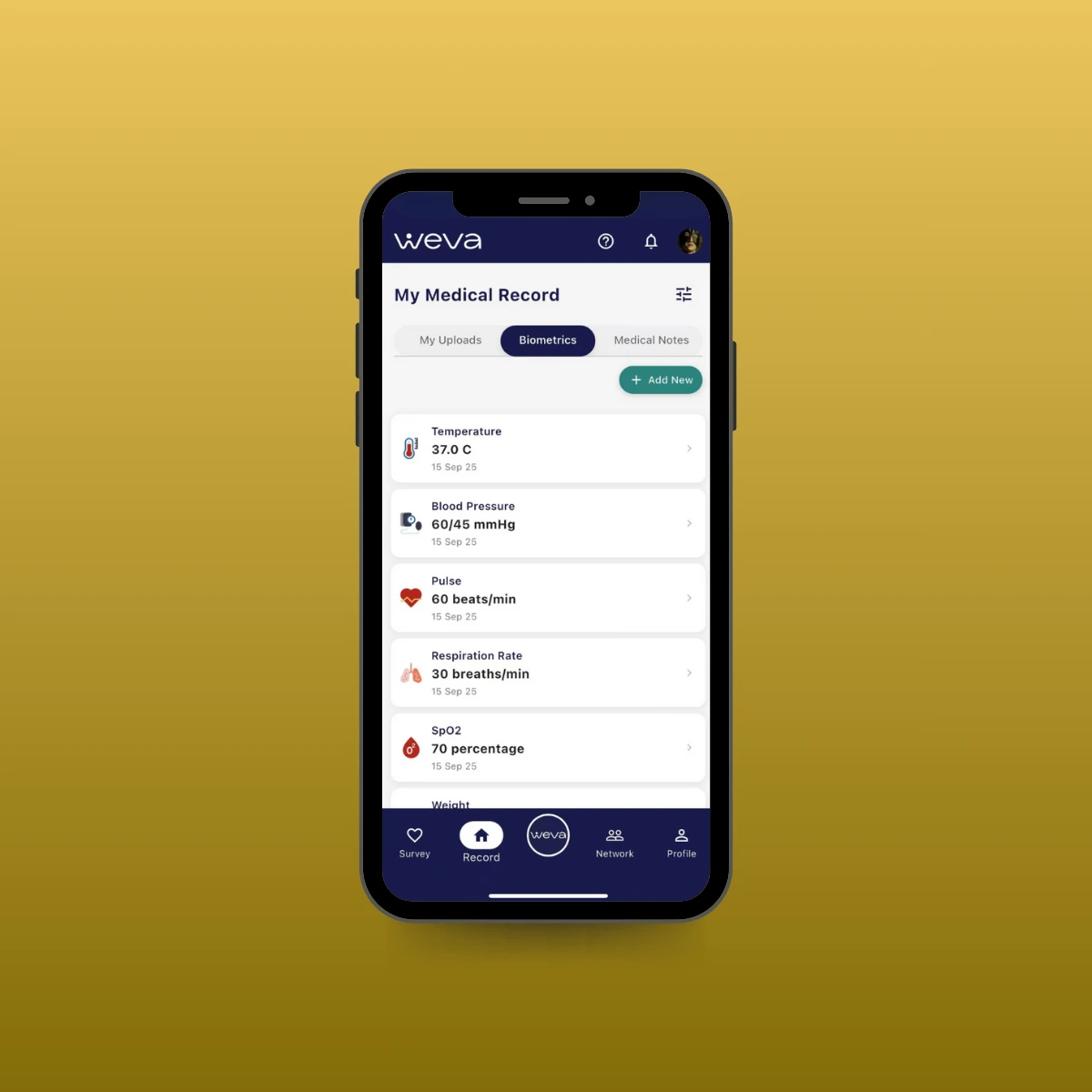
Track pregnancy symptoms, medication effectiveness, and milestone moments in one place that your entire care team can access. This centralised information ensures nothing important gets missed and enables your team to understand patterns and changes in your pregnancy journey.
Australian Pregnancy Care Integration
Weva's pregnancy support features work seamlessly across Australia's diverse healthcare system, from public hospital antenatal clinics to private obstetricians, community midwifery programs to specialist maternal health services.
Whether you're receiving care in metropolitan centres or regional communities, through public services or private providers, the platform ensures continuity and coordination across all aspects of your pregnancy care. This integration is particularly valuable for Australian women who may need to travel for specialist care or who move between different healthcare systems during their pregnancy journey.
Every pregnancy deserves the support of a connected, informed, caring team. Weva makes it possible to create this support network whilst maintaining your privacy, preferences, and autonomy throughout your pregnancy journey. Your pregnancy village isn't just about having people around you—it's about having the right people with the right information able to provide the right support at the right time.
Transform your pregnancy experience from isolated coordination to supported journey. Give yourself and your baby the gift of truly connected, comprehensive pregnancy care that honours your preferences whilst ensuring nothing important falls through the cracks. Your pregnancy village is waiting to support you—let Weva help you connect them.